Cart
Your shopping cart is empty!
It's never too late to make things right :)


The DeviceUA blog is a technical section of the site dedicated to devices and gadgets for controlled heating. It contains materials about 510 batteries, empty disposable vape devices, ceramic heater cartridges, vaporizers for dry herbs and concentrates, as well as related accessories.
This is not a news feed or an advertising showcase. The section is created as a knowledge base for those who want to understand how the technology works, what parameters matter, and why one format is suitable for a specific scenario and another is not.
The materials cover both basic issues for beginners and deeper technical nuances: voltage stability, 510 format compatibility, features of ceramic heating, temperature regimes in vaporizers, and the impact of battery capacity on real autonomy.
The main focus right now is devices for working with thick formulas and heating without burning. But the blog structure is built broader than one product category.
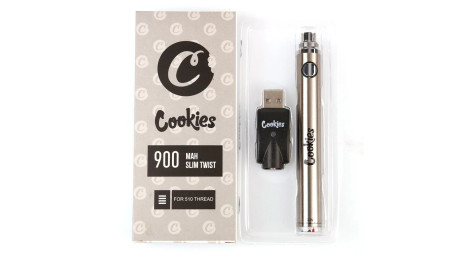
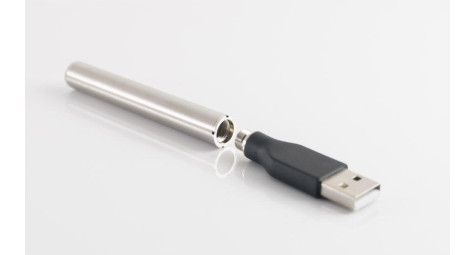
510 batteries
A separate block of articles is dedicated to the 510 ecosystem. It discusses:
The materials help you understand not only “which battery to buy”, but also why a certain configuration works more stably with thick extracts.
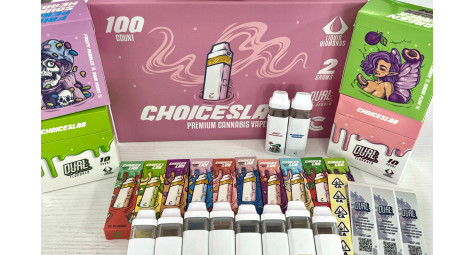
Empty disposable vape devices
The blog explains the logic of this format: when it makes sense, which characteristics are more important than design, what affects the stability of the draft, and why the quality of the heater determines the result even in a simple case.
Typical usage errors that lead to unstable operation or leaks are separately analyzed.
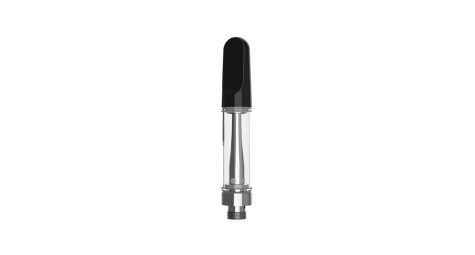
Ceramic heater cartridges
Ceramics is not just a marketing term. The articles cover:
The blog provides a systematic understanding of why the same cartridge can perform differently with different batteries.
Vaporizers for dry herbs and concentrates
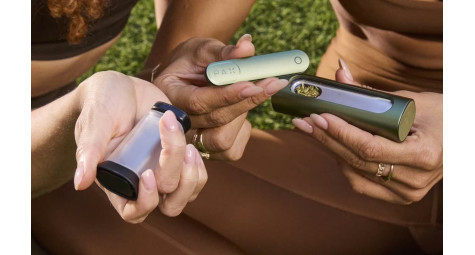
A separate area is portable vaporizers. The principles of conduction and convection heating, temperature control, autonomy, maintenance, and the differences between models are discussed.
The focus is now on those devices that are represented in the assortment, in particular the PAX line. But the structure of the materials allows for easy scaling of the content for new brands, models and technologies.
The main difference of this section is the analytical format. The articles explain the logic of the devices:
Instead of generalizations, specific mechanisms are considered. This allows the reader to independently evaluate the characteristics and understand which device is best suited for their tasks.
This section will be useful:
The materials are structured so that a beginner can understand basic concepts, and an experienced user can find answers to technical questions.
One of the goals of the blog is to teach you to navigate in characteristics, not in names. Most devices within the same category look similar, but differ in electronics, heating stability, and resource.
Power and voltage
For 510 batteries, it is not just the presence of regulation that is important, but the voltage range and stability of its supply. If the device does not maintain the set level, the heating will be uneven. This affects the taste, vapor density and cartridge life.
Temperature control is a key parameter in vaporizers. The accuracy of temperature maintenance determines how predictable the result will be.
Battery capacity
The mAh rating alone does not guarantee long battery life. It is important to consider:
energy efficiency of the board
heating element type
mode of use
The blog discusses how to relate capacity to real-world scenarios. A compact battery may be sufficient for daily moderate use, while a larger battery is justified for intensive use.
Electronics stability
The presence of protection against short circuits, overheating and overcharging affects not only safety, but also durability. The materials explain why cheap boards can create unstable operation even with the same external design.
A separate section of the blog is dedicated to diagnostics. Instead of abstract recommendations, specific situations are considered.
Cartridge leakage
The reasons may be different:
The materials help distinguish a defect from an operating error.
Unstable draft or weak heating
The problem could be related to the 510 pin, battery wear, or incorrect mode. The articles explain how to sequentially check each element of the system.
Rapid battery degradation
Regular full discharge, charging with an inappropriate adapter, and overheating shorten the life. The blog provides clear operating rules without unnecessary generalizations.
Taste degradation in a vaporizer
The reason may be contamination of the chamber, incorrect temperature regime or unsuitable material. The logic of cleaning and maintenance is understood.
Although the blog's main focus right now is the 510 ecosystem, empty disposable formats, ceramic cartridges, and portable vaporizers, the section is built with expansion in mind.
As new electronic gadgets related to controlled heating or autonomous electronics emerge, the structure allows:
This creates a single logic: regardless of brand or format, each device is considered through the prism of technical characteristics, operational stability, and real-world usage scenarios.
The DeviceUA blog doesn't focus on one product. It forms an ecosystem of knowledge around devices and gadgets.
The reader receives not only answers to specific questions, but also an understanding of the principles:
This approach allows you to consciously approach the choice and use of any device — from a 510 battery to a modern portable vaporizer.
The "Blog" category on DeviceUA is a center of analytical materials about devices and gadgets. It systematically analyzes 510 batteries, empty disposable devices, ceramic cartridges, vaporizers for dry herbs and concentrates, and many other gadgets and devices, as well as accessories for them.
The section develops along with the range and technologies. It is aimed at those who want to understand technology, not just use it.