


Cart
Your shopping cart is empty!
It's never too late to make things right :)


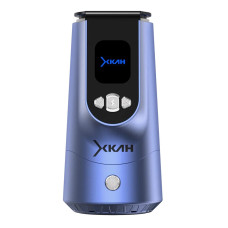
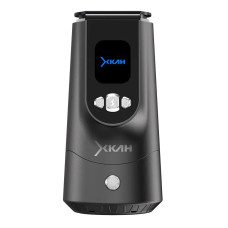
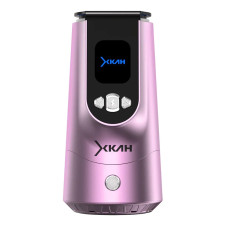
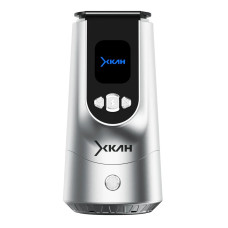
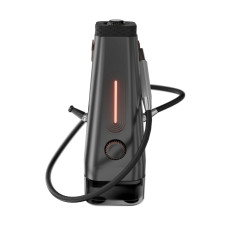
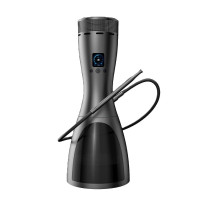
A hookah has always been about slow, deliberate enjoyment — thick smoke, shared ritual, unhurried time. For decades the format stayed the same: a clay or silicone bowl packed with tobacco, natural coconut coals placed on top, heat conducted downward through the tobacco, smoke pulled through water and up a hose. The charcoal hookah is still the benchmark for flavour depth and cloud volume, and serious enthusiasts rarely abandon it entirely.
What has changed is the context in which people use hookahs. Apartments, balconies, travel, and social settings where open coals are impractical have pushed demand toward electronic alternatives — devices that replicate the hookah experience without fire, ash, or the need to manage coal temperature manually. Both formats have a place, and the right choice depends on where and how you smoke, not on which technology is newer.
Natural coconut coals sit on a foil or screen above the bowl. They reach 650–750 °C and radiate heat downward into the tobacco. The tobacco itself never burns — it stays at 180–230 °C and releases flavoured vapour, which travels through the shaft, into the water base, and through the hose to the mouthpiece. Flavour intensity and smoke density depend on coal placement, airflow, and how tightly the bowl is packed. Getting this right takes practice and attention throughout the session.
Electronic hookahs and electronic bowls solve specific friction points: no coals to light, no ash to manage, no open flame in a small space, and consistent heat from the first draw to the last. They do not replace the ritual — they adapt it to situations where the traditional setup is inconvenient or not allowed.
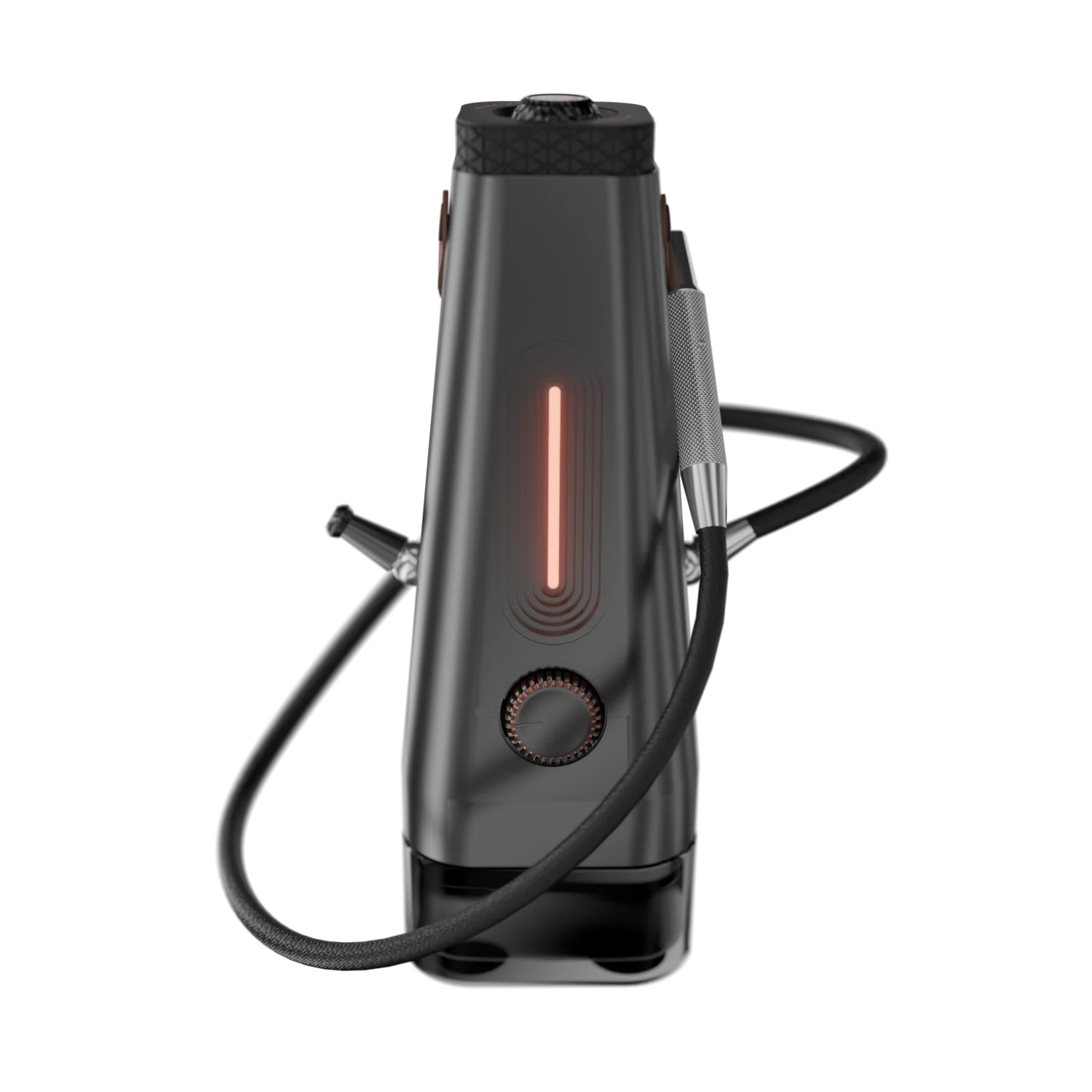
An electronic hookah replaces the entire coal-and-bowl heating system with a built-in electric heating element. The device heats tobacco or herbal blend to a set temperature — typically adjustable between 160 °C and 240 °C — without combustion. There is no open flame, no ash, and no need for a separate coal burner. Most current models are portable: a rechargeable battery powers the heating element, and the whole unit is compact enough to carry in a bag.
Temperature control is the functional core of an electronic hookah. Because the heating element holds a precise temperature rather than radiating variable heat from a coal, the flavour profile is more consistent across the session. Lower settings (160–180 °C) bring out lighter, more aromatic notes; higher settings (210–240 °C) produce denser clouds. Users can adjust mid-session without relighting or repositioning coals.
A portable electronic hookah is practical for anyone who smokes in spaces where open coals are not an option — rented apartments, hotel rooms, outdoor events, or travel. It is also a good fit for people who want a shorter session without the setup and cleanup time that a full charcoal hookah requires. The device is ready in under two minutes and produces no ash or coal residue.
An electronic hookah bowl — often called an e-bowl — is a heating unit designed to replace the standard clay or silicone bowl on an existing hookah. It connects to the shaft using the same socket dimensions as a conventional bowl, which means most standard hookahs accept an e-bowl without modification. The bowl contains a heating element and, on most models, a temperature sensor. You pack it with tobacco or herbal blend the same way you would a regular bowl, set the target temperature, and the element heats the material from below or from the sides — no coal, no foil.
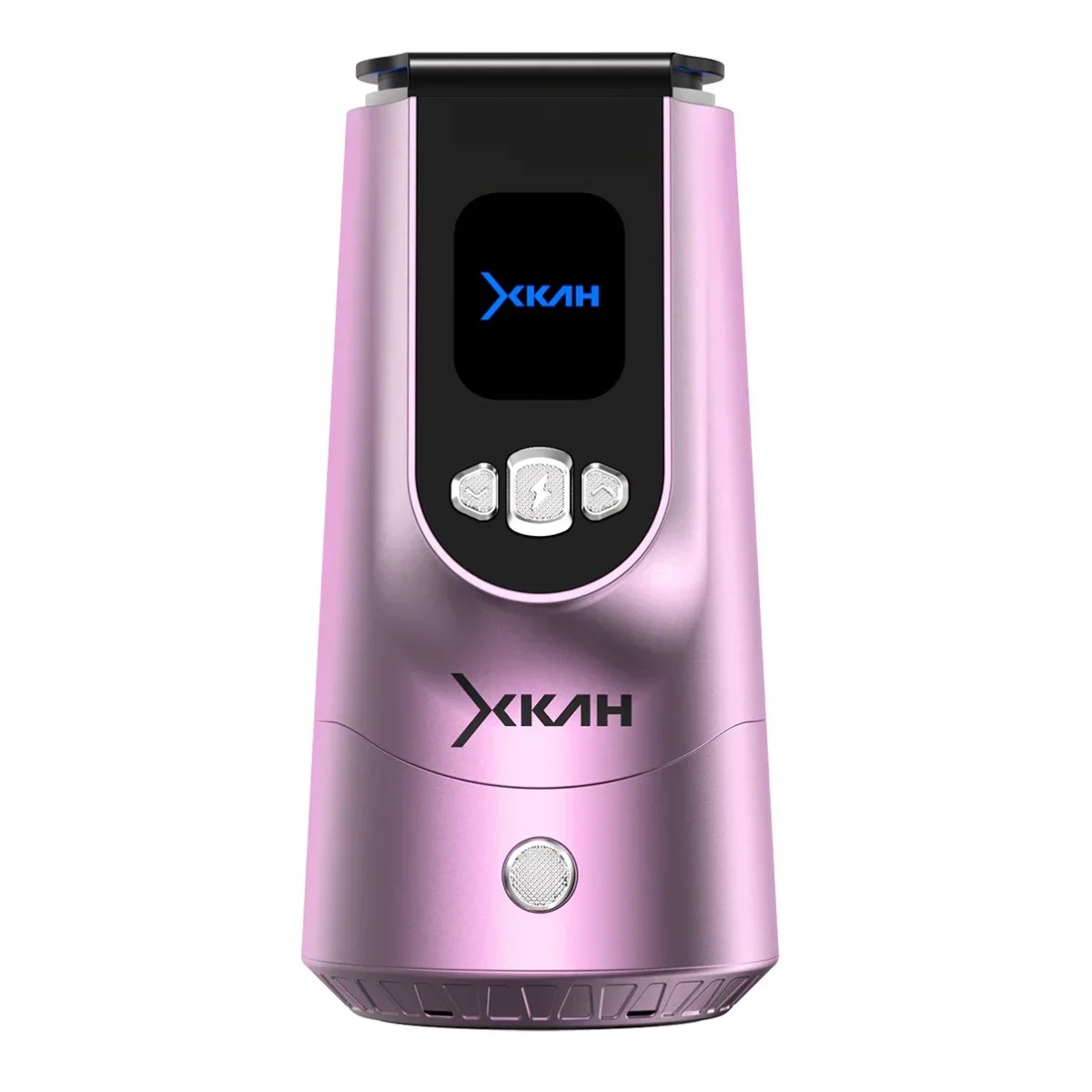 This makes an e-bowl the most cost-effective entry point into coal-free hookah sessions. You keep your existing hookah — base, shaft, hose, mouthpiece — and replace only the bowl. The investment is lower than buying a full electronic hookah, and the familiar feel of your own setup stays intact.
With natural coals, heat varies depending on coal size, age, and placement. A fresh coal runs hotter; a coal that has been burning for 20 minutes runs cooler. Experienced smokers compensate by moving coals, adding new ones, or adjusting airflow — but this requires attention. An electronic bowl holds the set temperature within a narrow range throughout the session. The tobacco heats evenly, flavour does not spike or drop, and there is no risk of the bowl overheating and producing harsh smoke from burnt tobacco.
The practical result: sessions are more predictable, especially for people who are still learning hookah management, and the tobacco lasts longer because it is not exposed to the extreme heat of direct coal contact.
A hookah is a modular system, and every component affects the session. Bowls — clay, silicone, phunnel, or electronic — determine how tobacco heats and how long a session lasts. Clay bowls absorb heat gradually and suit longer sessions; silicone bowls are nearly indestructible and easy to clean; phunnel bowls keep juice from draining into the shaft and work well with wet tobacco blends.
Hoses affect draw resistance and flavour transfer. Washable silicone hoses are the practical standard — they do not retain ghost flavours between sessions and can be rinsed after each use. Traditional leather or fabric hoses have a different draw feel but require more care. Hose length and inner diameter change how much resistance you feel when pulling.
Mouthpieces are the point of contact with the smoker. Standard mouthpieces are included with most hoses, but personal mouthpiece tips — disposable or reusable — are a hygiene upgrade for shared sessions. Material matters: metal mouthpieces conduct heat; acrylic and wood stay neutral.
Grommets seal the connections between bowl and shaft, shaft and base, and hose port. A worn or incorrectly sized grommet causes air leaks that reduce smoke density and make the hookah harder to pull. Keeping spare grommets in the right sizes for your hookah model is basic maintenance.
Heating elements — for electronic bowls and electronic hookahs — are consumable parts that degrade over time. Replacement coils or heating discs restore performance when the device begins heating unevenly or taking longer to reach temperature.


